Articles
Neurofeedback Articles & Brain Health Resources
Stay informed with the latest research and insights on neurofeedback therapy South Africa and beyond. The Fix Your Brain article library covers everything from the science behind brainwave training to practical tips for parents of children with ADHD, guides for adults navigating anxiety, and updates on emerging brain health trends. Knowledge is part of the healing process — start here.
What is the Golden Ratio
The relationship between neurofeedback and the Golden Ratio (approximately 1 618, often symbolized by ϕ) is an intriguing subject that blends neuroscience, mathematics, and aesthetics, while not a direct or widely established scientific connection, some researchers and practitioners explore how concepts like the golden ratio might relate to optimal brain function and the use of neurofeedback.
Above are stunning examples showcasing how this ratio appears in nature, the human body, animals, and even art. If you’re intrigued, click here to explore further.
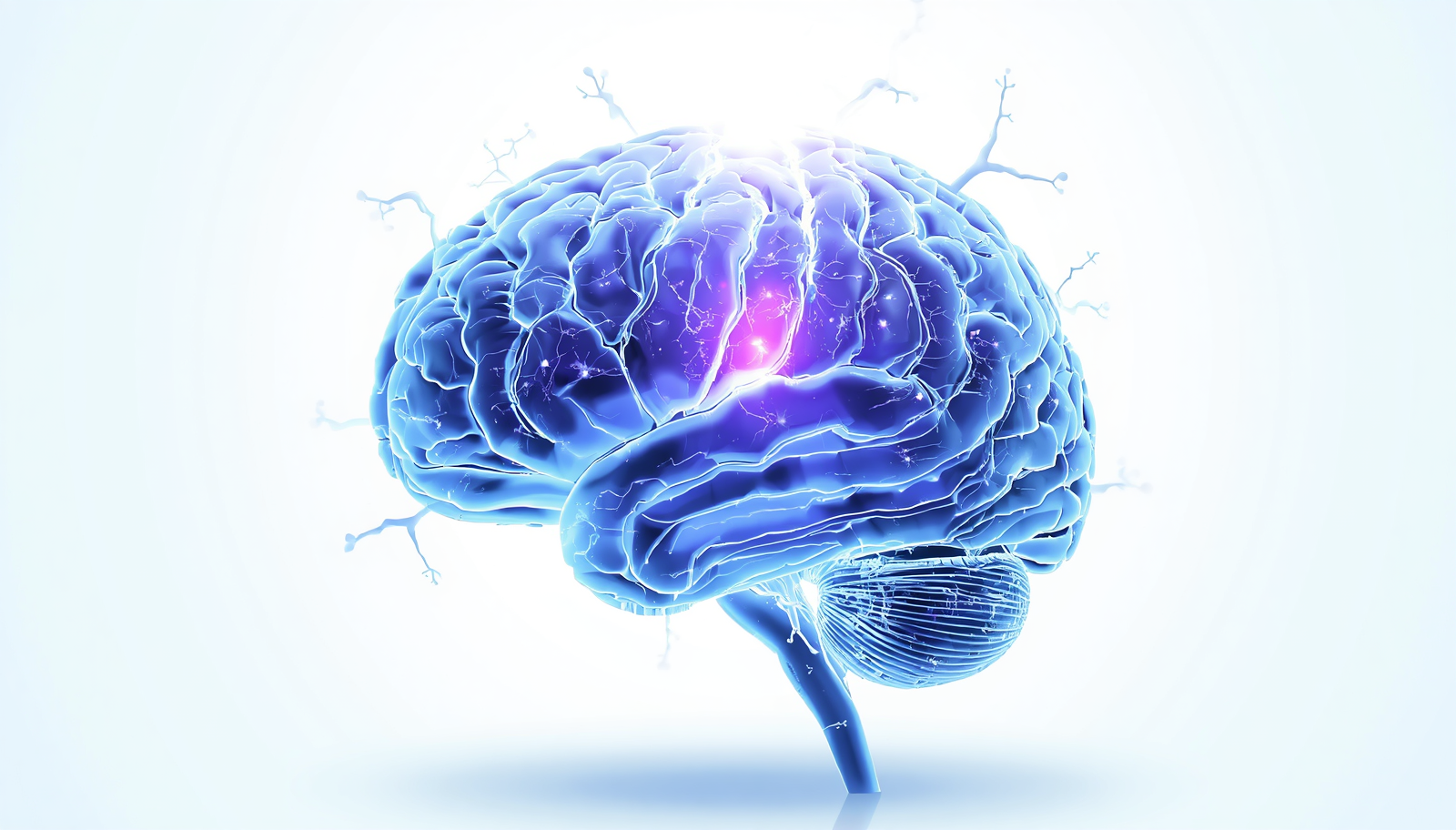
Understanding Neurofeedback: How the Brain Learns to Heal Itself
Clinical Insights Understanding Neurofeedback How the brain learns to heal itself By Fix Your Brain · Krugersdorp, South Africa A neurofeedback session begins with a cap of sensors that read the brain’s own electrical activity — no electricity goes in,…

Abandonment Trauma
Discover the Path to Emotional Resilience How It Shapes the Brain, Your Relationships, and How Neurofeedback Can Help Abandonment trauma is one of the most silent but powerful emotional wounds a person can carry. Many adults who struggle with anxiety, relationship…
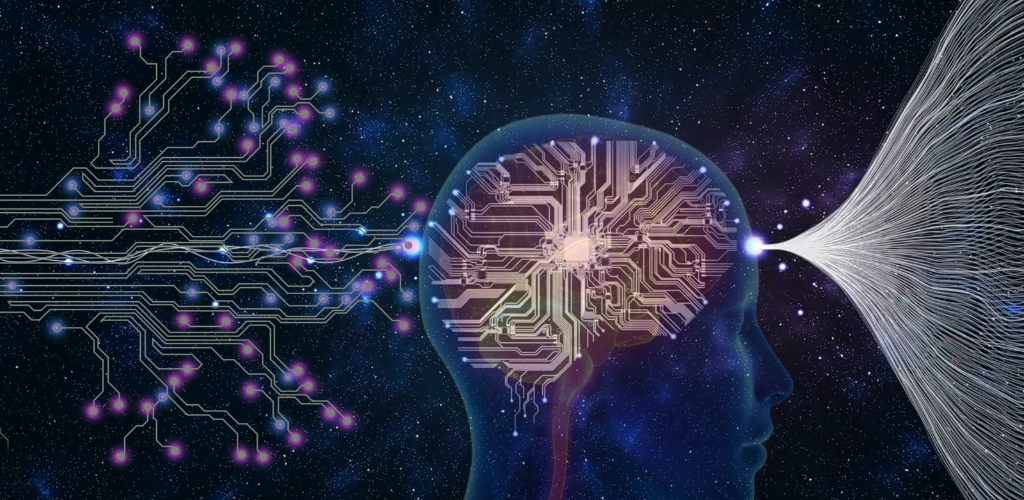
GABA and Your Brain: How Calm Focus Begins at a Neurochemical Level
At Fix Your Brain, we often speak about balance – balance between focus and relaxation, between mental energy and emotional calm. One of the brain’s most important chemicals responsible for this is GABA. Understanding GABA can help you beter understand anxiety, mental…
Understanding Neurofeedback Tones: Why You Don’t Need to Focus on Them
For many people, neurofeedback is a new and unfamiliar experience. One of the first things clients notice during a session is the sound – short tones or beeps that play while they are seated and relaxed. It is very common for first-time clients and parents to wonder…
Autoimmune disorders and Neurofeedback
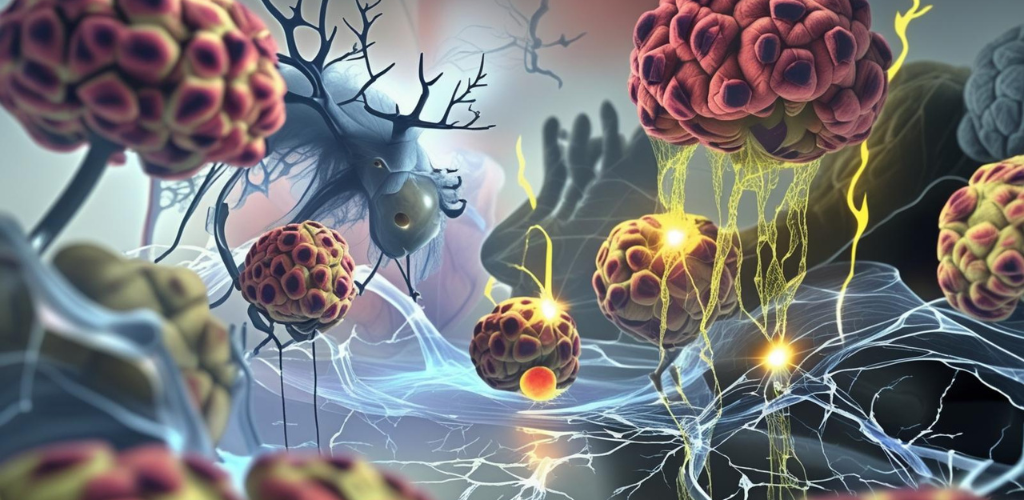
Neurofeedback & Autoimmune Health: Training Your Brain to Support Your Immune System Imagine your immune system is like an elite athlete – let’s say a marathon runner. On race day, that athlete needs perfect balance: speed and stamina, drive, rest, and…

Hope as an Antidote
The challenges of today’s world—whether personal struggles or broader social issues—can easily leave one feeling disheartened. For psychologists, who often witness the profound impact of these challenges firsthand, maintaining optimism about the future can be…

Biofeedback Association of South Africa
The Biofeedback Association of South Africa is a non-profit organisation which purpose is to create a platform for neurofeedback and biofeedback providers to engage and to be able to share information with the general public audience. they are able to connect…
EEG vs HEG
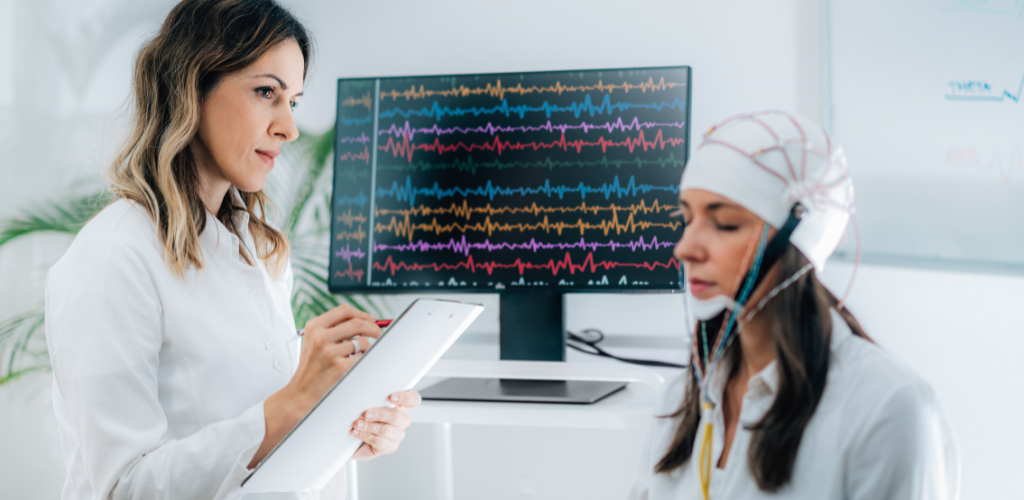
Here is a explanation of how EEG (electroenchephalogram) and HEG (Hemo-encephalography) are different. In my practice I do use both of these modalities. the session starts with a HEG segment and then we move onto the Powertraining section where the EEG component…
What is Neurofeedback?
T o lay the foundation in the understanding of neurofeedback here is a video explanation from the creaters of Brain Trainer International. This shows you that with neurofeedback you can start changing by not following the pathological route, but by starting at the…

Golf Excellence
Bryson DeChambeau uses neurofeedback as part of his mental training regimen to improve his focus, concentration, and overall mental performance on the golf course. Neurofeedback is a technique that involves monitoring brainwave activity and using real-time feedback to…
Trauma and the Nervous System Insights
Neurofeedback Neurofeedback involves monitoring brain activity in real-time and providing feedback to help individuals regulate their brain function. This can be particularly useful for trauma survivors, as trauma can disrupt normal brain patterns, leading to symptoms…
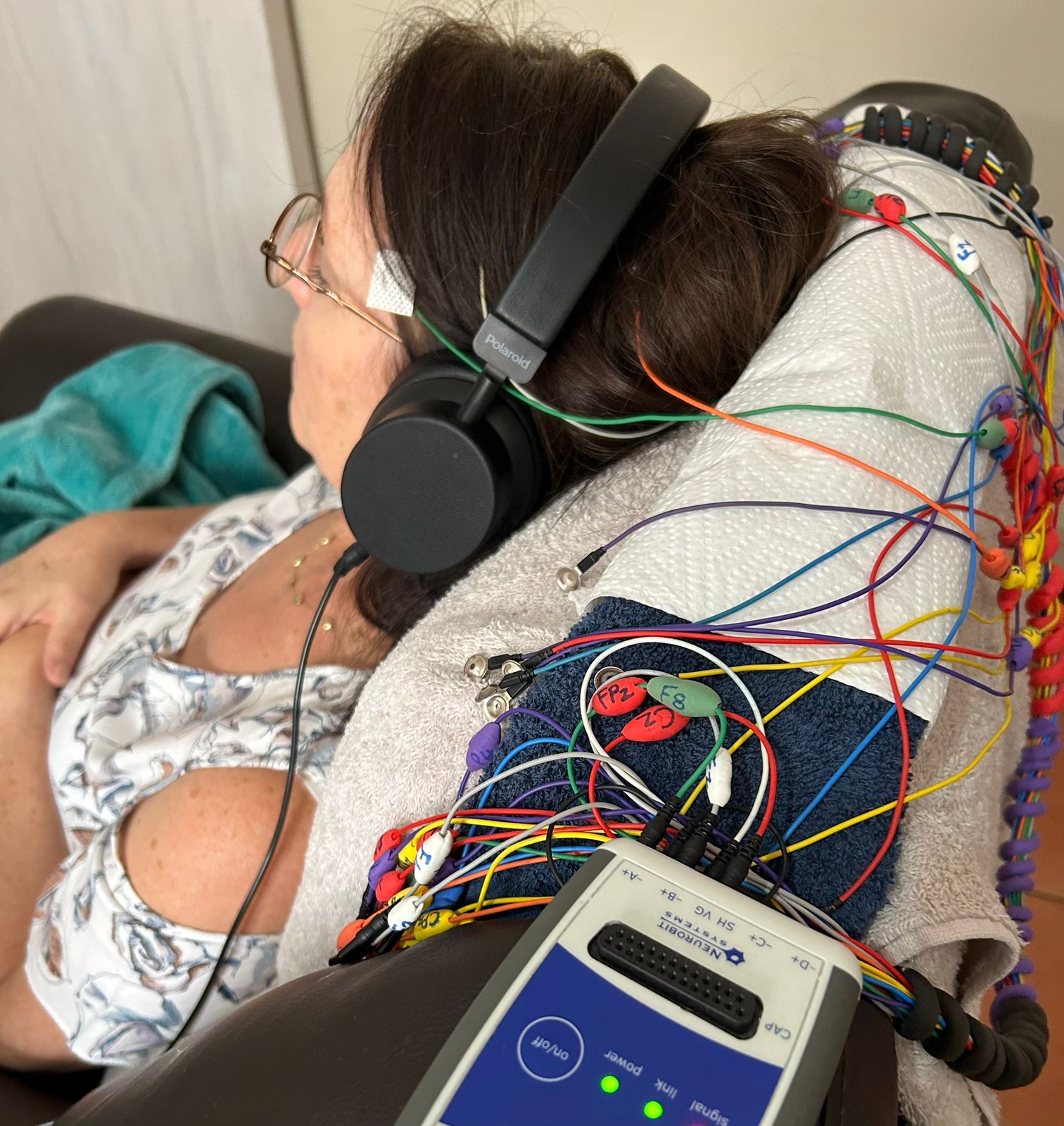
Autism Spectrum Disorder and Neurofeedback
Neurofeedback, a form of biofeedback, is gaining attention in the context of autism spectrum disorder (ASD). It involves training individuals to regulate their brain activity, often through real-time feedback from EEG readings. Here’s a brief overview: Benefits of…