Data Collection Sites
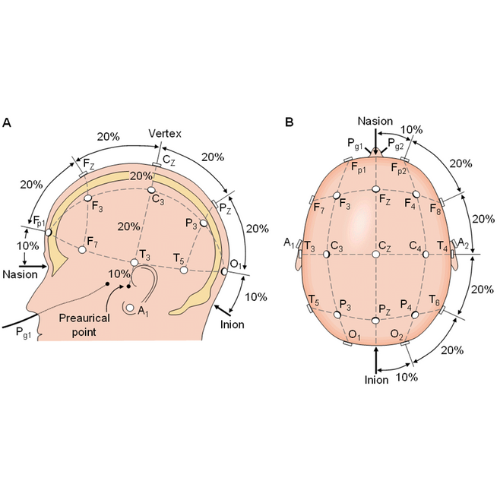
Here is an image showing the different sites where data is collected using electrodes. As part of what to expect from neurofeedback, we follow the internationally recognized 10-20 system for electrode placement, which ensures accurate and consistent data collection. This standard method is crucial in neurofeedback, providing reliable measurements of brain activity. Neurofeedback involves real-time monitoring and training of brain waves, helping to improve mental well-being and cognitive function.
Schedule an Applointment
1. The Assessment
- Duration of Assessment is approximately one and a half hour.
- Electrodes are attached to your scalp with a water soluble paste, and clips are attached to your earlobes.
- These electrodes collect data from your brain waves which is translated into visual waves via the brain-computer-interphase.
- Electrodes are repositioned after every section of data has been collected.
- Every cycle of data collection involves a eyes closed, eyes open and task section.
- There are 5 different areas of data collection involved.
- The assessment purpose is to display the way your brain waves are functioning and how your brain uses the energy that the brain waves provide.
- There are quite a few imbalances that may be determined with a brain map assessment:
- Depression Markers;
- Trauma related patterns;
- Memory quality;
- Stress and Anxiety;
- ADD/ADHD markers;
- Concentration problems;
- The effectiveness of the communication between the left and right brain hemispheres;
- The balance of the brainwave patterns. If there are reversal patterns present;
- the quality of your sleep;
- OCD patterns;
- And more.
- After the completion of the assessment data is processed and verbal feedback is provided.
- A whole brain training plan is then compiled which takes into account your unique brain patterns.
- The session is very intense and there is much addressed and it is difficult to remember it all, and as such a written report is also compiled and sent to the client.
- The training plan is individualised according to each person’s assessment.
- Protocols are chosen to be used at specific brain sites to address the patterning as revealed in the assessment.
2. Whole Brain Training Plan
- An individualized training plan is then compiled.
- The training plan is based on the brain patterns revealed during the assessment.
- Protocols are then written to address these brain patterns that were identified and improve them.
3. Actual Brain Training
- We use amplitude training to help the brain form new habits.
- We book 30 hours up front to ensure the most benefit is gained from the process of brain training.
- After the first initial 30 hour sessions, an reevaluation is conducted in the form of a questionnaire to ascertain where you are in the proses and if you still need some more hours to reach your proffered optimal state or goal we set out to achieve in the beginning.
- These sessions are booked in 1 or 2 hour slots.
- Your Brain training is spread over a period which means it gets enough time to fall into the rhythm of the new patterns that is being created.
- This is a most effective and internationally accepted way of doing brain training to ensure the best results.
What happens during a Neurofeedback Session
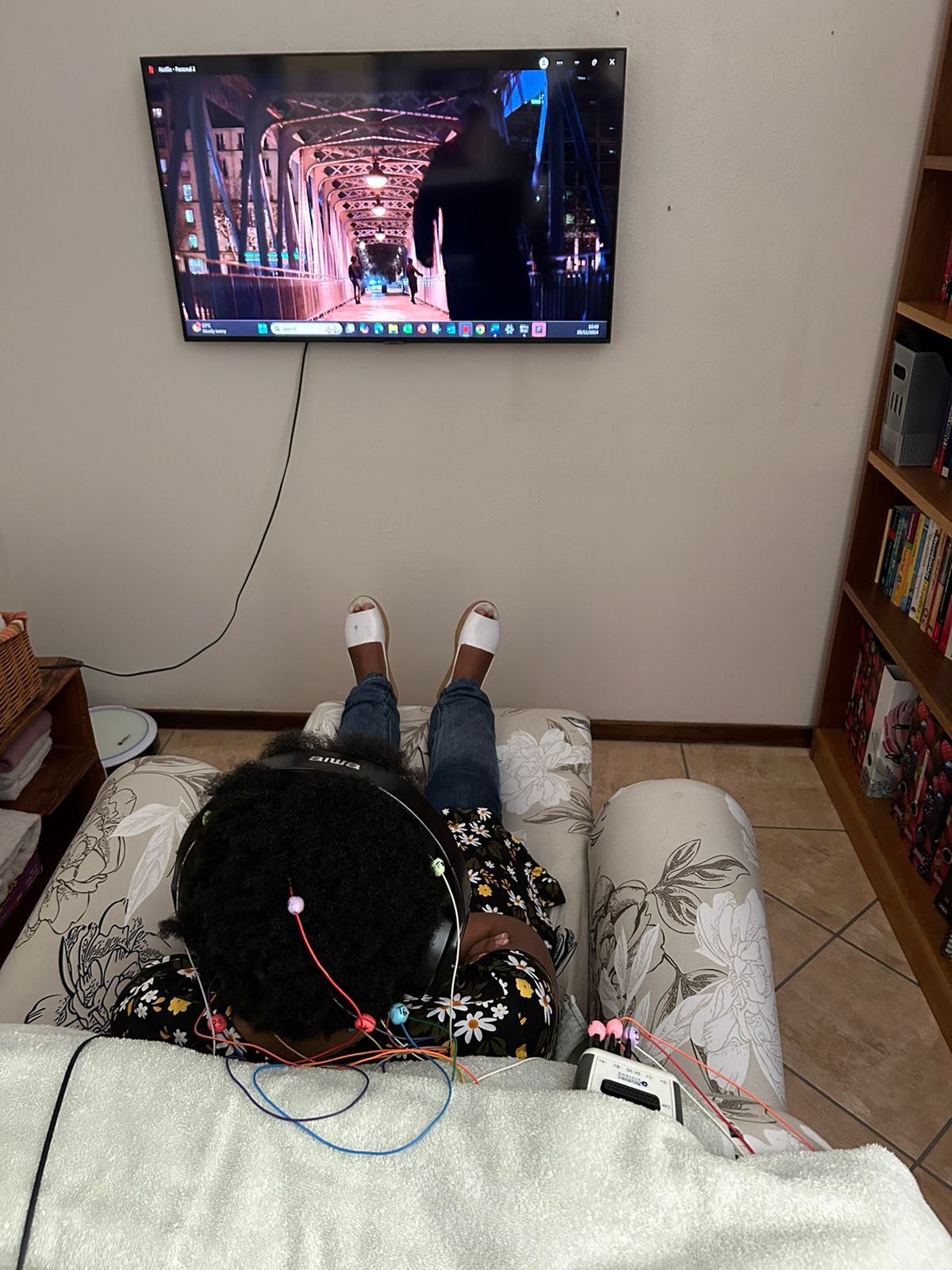
What to expect from Nerofeedback. During a Neurofeedback session, the electrodes are placed on your scalp again as with the assessment. You will be receiving feedback via earphones or visual prompts. the brain-computer interface program reads your brain’s electrical activity and you receive visual (a screen that dims or brightens while watching a video)or auditory rewards ( sounds generated through the unison with your brainwaves ) as your brain responds to the program. These prompts are received and interpreted immediately as your brain is working.
It may feel like a very passive process since you will not physically be busy with any activity and you will be required to sit very still. Many of the protocols may even require you to close your eyes and you may drift of to sleep, but it is not the type of sleep like when you go to bed at night. You normally will feel very refreshed once the protocol has run its course. By falling asleep you are getting out of the way of your brain and letting it do all the good work.
As I said it is a very passive process, but your brain will be working very hard and you may be very tired after your sessions.
A Very Important Message
Brain training is non-invasive, no substances are used and it is totally pain-free.