Understanding Neurofeedback
How the brain learns to heal itself
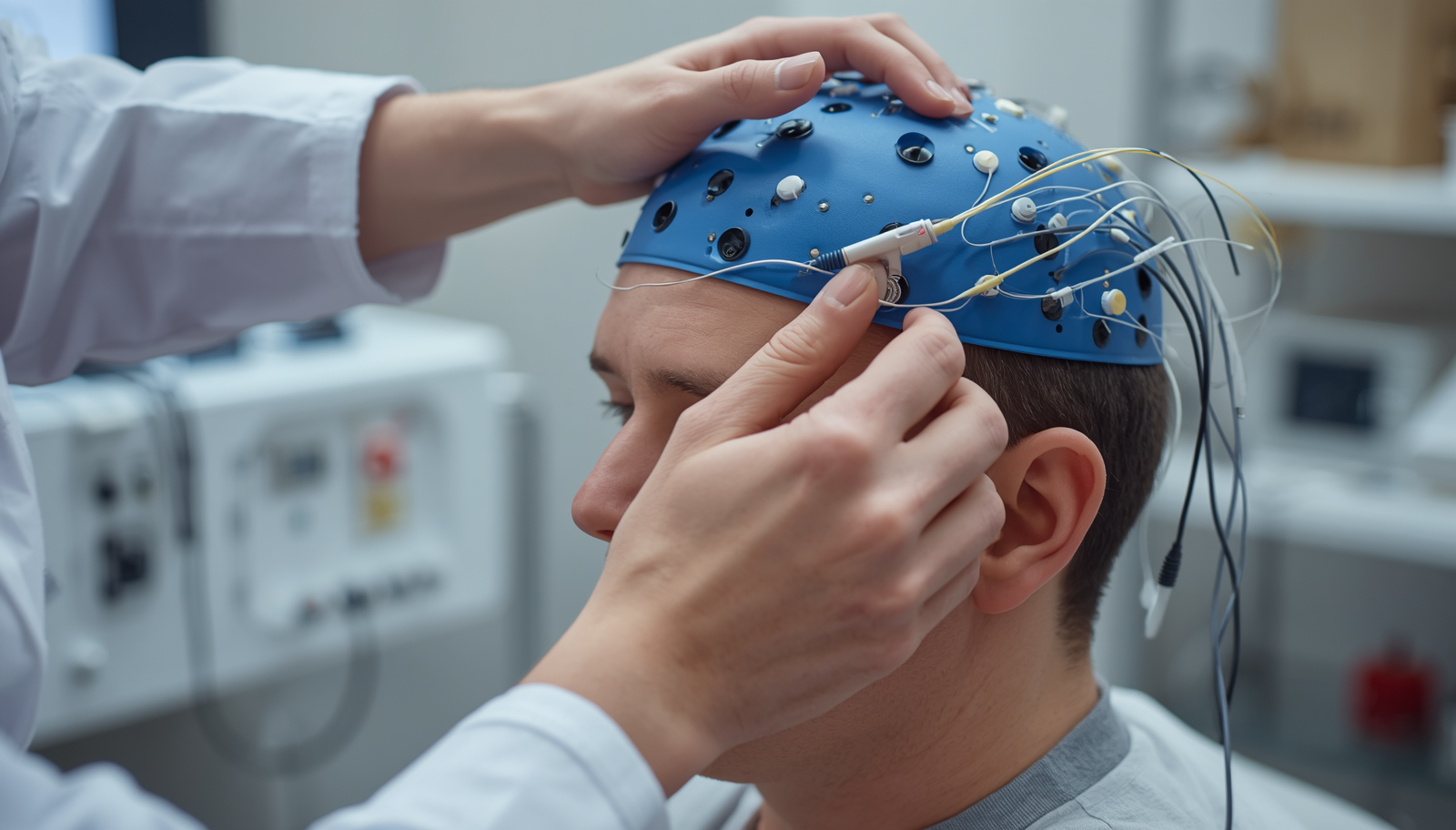
A neurofeedback session begins with a cap of sensors that read the brain's own electrical activity — no electricity goes in, only information comes out.
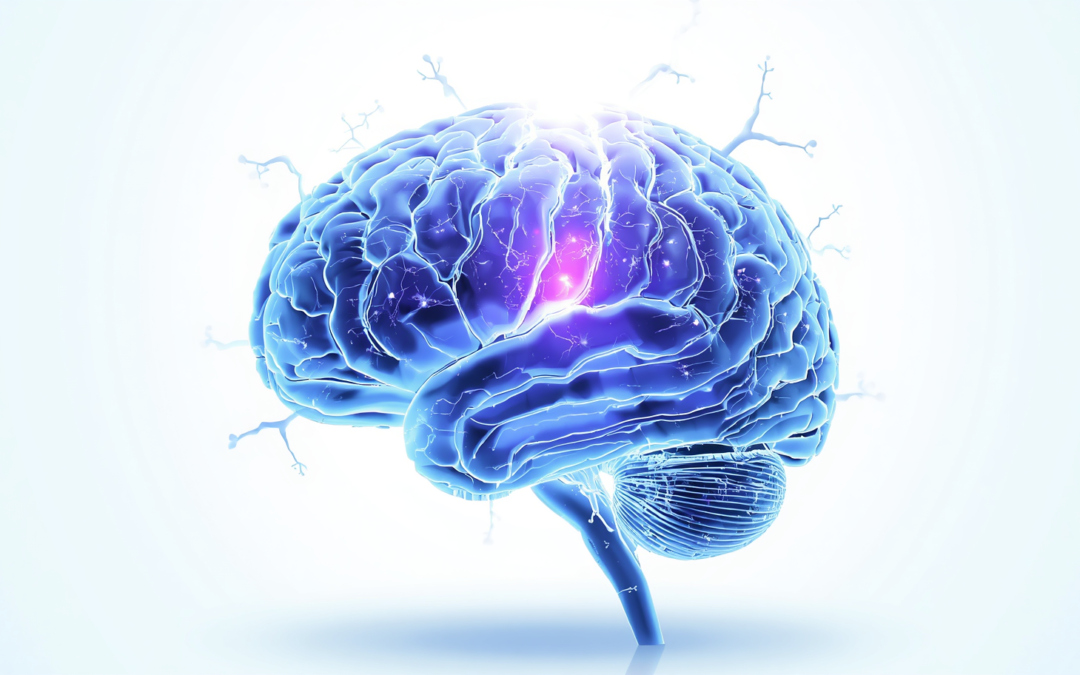
The human brain is arguably the most complex organ in the body. It contains approximately 86 billion neurons, each communicating through intricate electrical and chemical signals. Every thought, emotion, memory, movement, and behaviour emerges from these electrical patterns. When these patterns become dysregulated due to stress, trauma, injury, developmental disorders, or chronic anxiety, symptoms begin to appear — not because the brain is “broken,” but because it has adapted to survive.
Neurofeedback is a neuroscience-based approach designed to help the brain improve its own regulation. Rather than treating symptoms directly, neurofeedback provides the brain with information about its own activity in real time, allowing it to make gradual adjustments toward healthier and more efficient functioning.
What Exactly Is Neurofeedback?
Neurofeedback, also known as EEG biofeedback, is a non-invasive method of training the brain using real-time recordings of electrical brain activity (electroencephalography, or EEG). Small sensors are placed on the scalp to measure naturally occurring brainwave activity. Importantly, these sensors do not send electricity into the brain — they simply record the brain's own electrical signals.
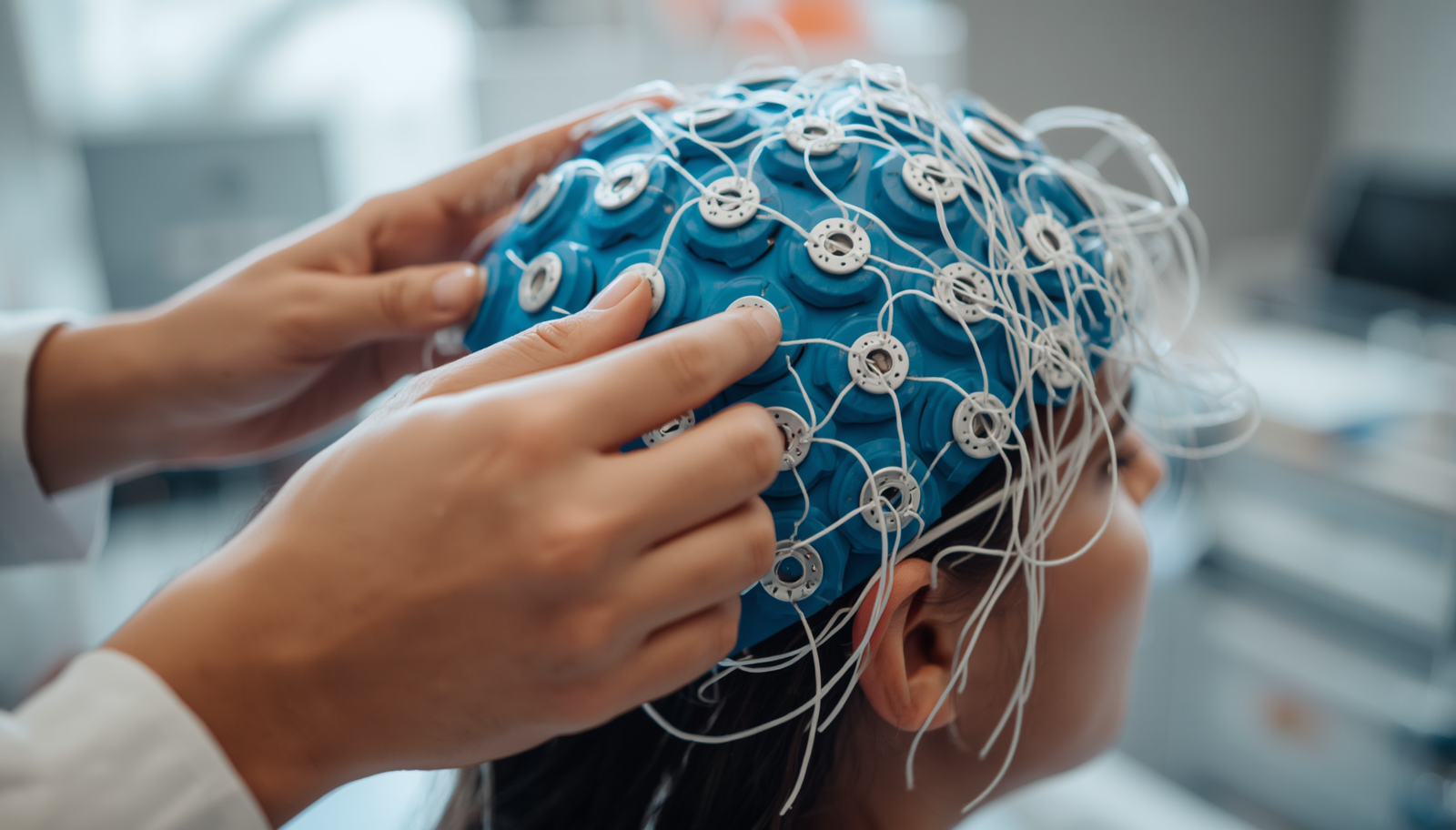
During a session, specialised software converts these brain signals into visual or auditory feedback, often in the form of a movie, animation, or game. As the brain produces more desirable patterns of activity, the feedback becomes smoother or more rewarding. When less efficient patterns occur, the feedback changes. Over repeated sessions, the brain begins to recognise these changes and gradually learns to maintain more regulated activity through a process known as operant conditioning.
Unlike traditional learning, this process occurs largely outside conscious awareness. Clients are not required to “try harder” or actively control their brainwaves. Instead, the brain learns automatically through repeated feedback.
The Science Behind Neuroplasticity
The effectiveness of neurofeedback is rooted in one of the most important discoveries in modern neuroscience: neuroplasticity. Neuroplasticity refers to the brain's remarkable ability to reorganise itself by forming new neural connections throughout life. Once believed to occur only during childhood, it is now well established that the brain continues adapting and changing well into older adulthood.
Every experience, habit, injury, learning opportunity, and emotional event influences the structure and function of the brain. Neurofeedback takes advantage of this natural capacity by encouraging the brain to strengthen healthier patterns while reducing inefficient ones. Instead of forcing change, neurofeedback facilitates the brain's own self-correcting mechanisms.
Understanding Brainwaves
The brain communicates using rhythmic electrical oscillations known as brainwaves, generally classified into several frequency ranges. Healthy brain function depends not on producing “more” or “less” of any one frequency, but on maintaining an appropriate balance according to the demands of the environment.
Deep sleep and physical restoration.
Memory, creativity, daydreaming, and emotional processing.
Relaxed wakefulness, calm attention, and mental readiness.
Calm, focused attention and improved impulse control.
Active thinking, concentration, and problem solving.
Higher cognitive integration and complex information processing.
Why Does the Brain Become Dysregulated?
The brain constantly adapts to its environment. Sometimes these adaptations are beneficial. At other times, they become “stuck.” Factors that commonly disrupt brain regulation include:
From the brain's perspective, many of these adaptations initially serve a protective purpose. However, when survival patterns persist long after danger has passed, they may interfere with daily functioning. Neurofeedback seeks to improve the brain's flexibility rather than suppress symptoms.
Neurofeedback and Trauma
One of the most exciting areas of neurofeedback research involves psychological trauma. For many years, trauma treatment focused primarily on talking through difficult experiences. While psychotherapy remains extremely valuable, researchers increasingly recognise that trauma is also stored within the body's physiological regulation systems.
Dr. Bessel van der Kolk, author of The Body Keeps the Score, has helped transform our understanding of trauma by demonstrating how traumatic experiences alter brain function, emotional regulation, and nervous system responses. His research has highlighted neurofeedback as one promising intervention for improving self-regulation in individuals with chronic trauma.
Another leading figure is Sebern Fisher, whose groundbreaking work integrating neurofeedback with psychotherapy has significantly influenced the treatment of developmental trauma. Her book, Neurofeedback in the Treatment of Developmental Trauma: Calming the Fear-Driven Brain, remains one of the most influential clinical resources in the field.
Canadian psychiatrist Ruth Lanius has also contributed substantially to understanding how trauma affects large-scale brain networks involved in emotion regulation, memory, and self-awareness. Her neuroimaging research has provided important insights into why regulation-based interventions may complement traditional psychotherapy.
Together, these pioneers have shifted the conversation from asking “What is wrong with you?” to asking “What happened to you, and how can the brain regain its ability to regulate?”
The Pioneers Who Built Neurofeedback
Modern neurofeedback exists because of decades of scientific discovery by numerous researchers. Among the most influential contributors are:
Demonstrated that individuals could learn to voluntarily alter their alpha brainwaves.
Pioneering research demonstrated clinical applications of EEG operant conditioning.
A pioneer in applying neurofeedback to ADHD.
Developers of Infra-Low Frequency Neurofeedback, now widely used for emotional regulation and trauma-related conditions.
Internationally recognised for advancing quantitative EEG interpretation.
Their combined work has transformed neurofeedback from an experimental technique into a growing clinical discipline used worldwide.
Brain-Trainer International. At Fix Your Brain, our clinical protocols are informed by internationally respected training systems, including Brain-Trainer International. Brain-Trainer has played an important role in making evidence-informed neurofeedback protocols accessible to clinicians worldwide through structured educational programmes, protocol development, and practical clinical resources. Their work incorporates decades of neurofeedback research while emphasising individualised treatment approaches rather than one-size-fits-all solutions.
What Conditions May Benefit?
Research continues to expand, but neurofeedback has been investigated for:
It is important to recognise that neurofeedback is not a cure-all. Outcomes vary between individuals, and neurofeedback should be viewed as one component of a comprehensive healthcare plan that may include medical care, psychology, occupational therapy, speech therapy, or physiotherapy where appropriate.
Recommended Educational Videos
If you would like to explore neurofeedback further, we highly recommend the following presentations. Click any video to play — nothing plays automatically.

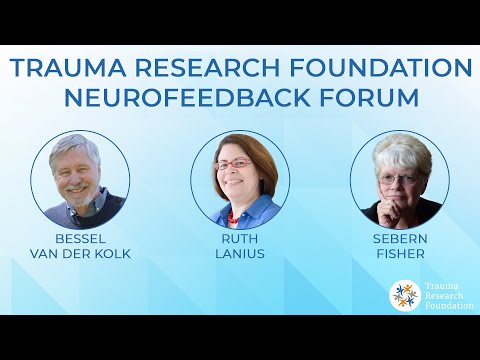
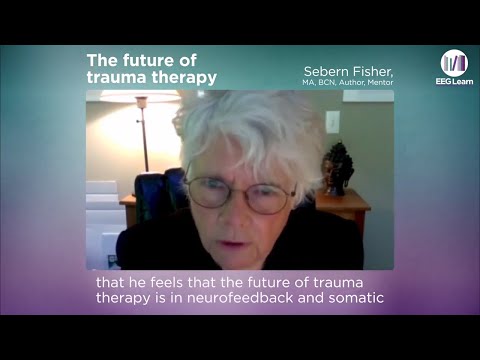

These lectures provide excellent insight into both the science and clinical application of neurofeedback.
The Future of Brain Health

Perhaps the greatest lesson neuroscience has taught us is that the brain is not fixed. Throughout life it remains capable of learning, adapting, and reorganising itself.
Neurofeedback does not force the brain to behave differently. Instead, it provides the information necessary for the brain to recognise its own patterns and improve them naturally. For many individuals struggling with anxiety, attention difficulties, trauma, emotional dysregulation, or chronic stress, this represents a hopeful shift — from treating symptoms alone to supporting the brain's remarkable capacity for self-regulation.
As our understanding of neuroscience continues to evolve, neurofeedback is becoming an increasingly valuable tool within integrative mental healthcare, offering a bridge between modern brain science and practical clinical intervention.
References
- Fisher, S. (2014). Neurofeedback in the Treatment of Developmental Trauma: Calming the Fear-Driven Brain.
- van der Kolk, B. (2014). The Body Keeps the Score.
- Papo, D. (2018). Neurofeedback: Principles, Appraisal and Outstanding Issues.
- International Society for Neurofeedback and Research (ISNR).
- Brain-Trainer International clinical resources.
Curious if neurofeedback is right for you?
Book a consultation with Irine and find out how brain training could support your focus, calm, and resilience.
Contact Us