At Fix Your Brain, we often speak about balance – balance between focus and relaxation, between mental energy and emotional calm. One of the brain’s most important chemicals responsible for this is GABA.
Understanding GABA can help you beter understand anxiety, mental overload, sleep struggles, and even attention challenges. More importantly, it helps explain how neurofeedback and supportive interventions can work together to optimise brain function.
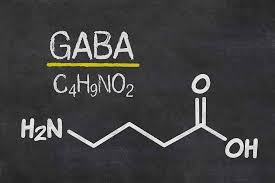
What is GABA?
GABA stands for Gamma-Aminobutyric Acid. It is the brain’s primary inhibitory neurotransmitter, which means it acts like a braking system for the nervous system (Nuss, 2015).
If excitatory neurotransmitters (like glutamate) are the brain’s “accelerator”, then GABA is the brake pedal that slows things down when needed (Möhler, 2012).
Its role is to:
- Calm excessive brain activity
- Reduce overstimulation
- Support emotional regulation
- Promote relaxation and sleep
Without sufficient GABA activity, the brain can struggle to switch off − leading to anxiety, restlessness, poor sleep, and difficulty concentrating (Petty, 1995).
Why is GABA Important?
Modern life places the brain under constant stimulation −screens, stress, deadlines, noise, and information overload. For many individuals, the nervous system becomes stuck in a heightened state of alertness. Healthy GABA function is essential because it helps the brain:
- Transition from stress to calm
- Filter unnecessary mental noise
- Regulate worry and overthinking
- Support stable mood patterns
- Prepare the brain for restorative sleep
When GABA levels or receptor sensitivity are low, individuals may experience:
- Persistent anxiety or inner tension
- Racing thoughts
- Sensory sensitivity
- Sleep onset insomnia
- Difficulty ‘switching off’
- Emotional overwhelm
Research has consistently linked GABA dysregulation to anxiety and mood challenges (Cryan & Kaupmann, 2005).
The Benefits of Healthy GABA Function
Optimised GABA activity contributes to both mental and physical wellbeing.
Emotional Benefits:
- Reduced anxiety and panic symptoms
- Improved stress tolerance
- Greater emotional resilience
- Feeling calmer and more grounded
Cognitive Benefits:
- Improved concentration
- Better mental clarity
- Reduced mental fatigue
- Enhanced task completion
Sleep benefits:
- Easier sleep onset
- Deeper, more restorative sleep
- Reduced nighttime restlessness
Physical Benefits:
- Lower muscle tension
- Reduced nervous system hyperarousal
- Improved recovery from stress
In simple terms: GABA helps the brain feel safe enough to relax while remaining alert enough to function effectively.
GABA and Neurofeedback: How They Work Together
Neurofeedback does not add chemicals to the brain. Instead, it trains the brain to regulate its own activity more efficiently (Hammond, 2011).
When brainwave patterns associated with hyperarousal – often seen in anxiety, ADHD, and sleep disorders – begin to stabilise through training, the brain’s inhibitory systems, including GABA pathways, can function more effectively. (Thibault, Lifshitz, & Raz, 2016).
Think of it like this:
- Neurofeedback trains the brain’s electrical activity
- GABA supports the brain’s chemical calming system
When both function well, clients often experience:
- Faster calming after stress
- Reduced reactivity
- Improved focus without overwhelm
- Better emotional regulation
This is why neurofeedback is often described as training the brain to self-regulate rather than forcing change from the outside.
What About GABA Supplements?
GABA supplements are widely available and are often marketed for anxiety, sleep, and stress support. Some individuals report benefits such as relaxation and improved sleep quality (Abdou et al., 2006).
However, there are important considerations.
1. Blood-Brain Barrier Debate
There is ongoing scientific discussion about how effectively oral GABA crosses the blood-brain barrier. Some studies suggest limited direct entry into the brain, while others indicate indirect calming effects via the gut-brain axis.
2. Individual Responsiveness
Not everyone responds the same way. Some clients feel calmer, while others notice little change.
3. Symptom Support vs. Regulation
Supplements may assist with symptom relief, but they do not train the brain to regulate itself – which is where neurofeedback plays a unique role.
Is It Advisable to Use GABA Supplements with Neurofeedback?
At Fix Your Brain, we view supplementation as supportive rather than primary. Neurofeedback aims to create long-term self-regulation. Supplements, when appropriate, may help create a calmer internal environment that allows the brain to engage more effectively in training.
It May Be Considered When:
- Anxiety is very high
- Sleep is severely disrupted
- The nervous system is in chronic hyperarousal
Caution Is Advised:
- If clients are on psychiatric medication
- In case of complex medical conditions
- Without guidance from a qualified healthcare provider
We always recommend discussing any supplementation with your medical professional to ensure safety and suitability.
A Balanced Approach to Brain Health
True brain optimisation rarely comes from a single intervention. The most effective outcomes occur when multiple supportive strategies work together, such as:
- Neurofeedback training
- Sleep regulation
- Nutritional support
- Stress management
- Lifestyle adjustments
GABA – whether supported naturally, nutritionally, or through improved brain regulation – plays a central role in helping the brain move from survival mode into a state of calm, focused performance.
Final Thoughts
If you or your child struggle with anxiety, overstimulation, focus challenges, or sleep difficulties, it may be a sign that the brain’s inhibitory systems need support. Neurofeedback offset a drug-free method of training the brain toward balance, while nutritional and supplemental strategies may provide additional support when used appropriately.
At Fix Your Brain, our goal is always the same: helping the brain learn how to regulate itself naturally – creating calmer minds, clearer thinking, and more resilient nervous systems.
Sources
- Nuss, P. (2015) Anxiety disorders and GABA neurotransmission: A disturbance of modulation. Neuropsychiatric Disease and Treatment.
- Möhler, H. (2012). The GABA system in anxiety and depression and its therapeutic potential. Neuropharmacology.
- Petty, F. (1995). GABA and mood disorders: A brief review and hypothesis. Journal of Affective Disorders.
- Abdou, A.M. et al. (2006) Relaxation and immunity enhancement effects of gamma-aminobutyric acid (GABA) administration in humans. BioFactors.
- Cryan, J.F., & Kaupmann, K. (2005). Don’t worry ‘B’ happy!: A role for GABA(B) receptors in anxiety and depression. Trends in Pharmacological Sciences.
- Streeter, C.C. et al. (2007) Yoga Asana sessions increase brain GABA levels: A pilot study. Journal of Alternative and Complementary Medicine.
- Hammond, D.C. (2011). What is Neurofeedback? Journal of Neurotherapy.
- Thibault, R.T., Lifshitz, M., & Raz, A. (2016). The self-regulating brain and neurofeedback: Experimental science and clinical promise.