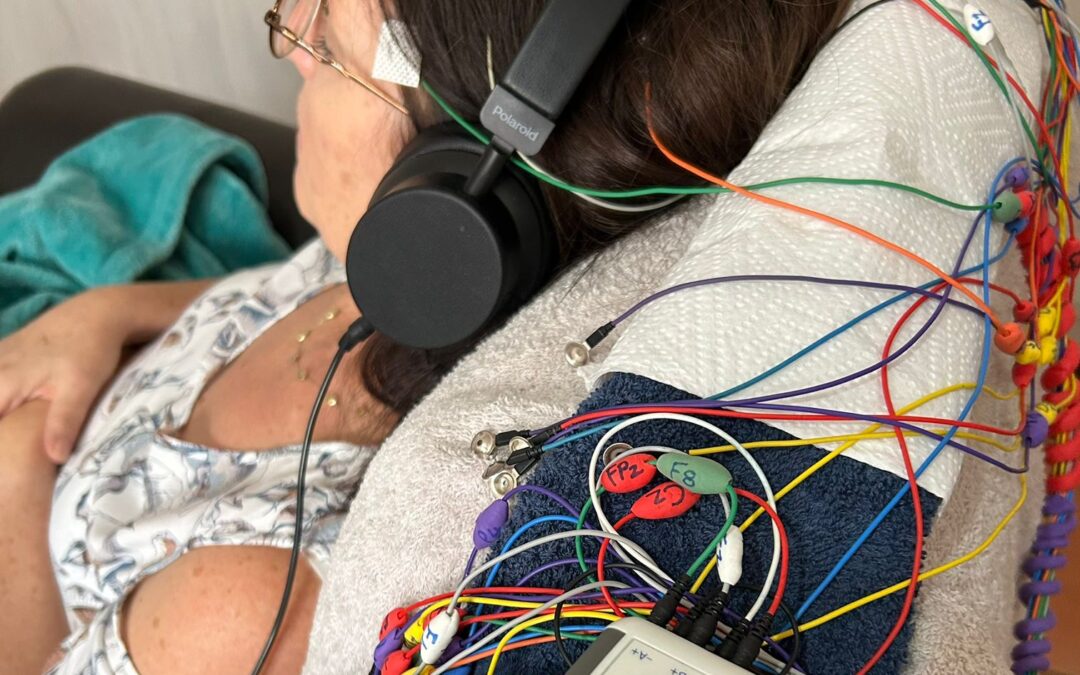
Neurofeedback, a form of biofeedback, is gaining attention in the context of autism spectrum disorder (ASD). It involves training individuals to regulate their brain activity, often through real-time feedback from EEG readings. Here’s a brief overview:
Benefits of Neurofeedback for Autism
1. Improved Self-Regulation:
Neurofeedback may help individuals with ASD enhance their ability to manage emotions and behaviors.
2. Focus and Attention:
Some studies suggest that neurofeedback can improve attention spans, which can be beneficial for those with autism who struggle with focus.
3. Reduced Anxiety:
It may assist in alleviating anxiety symptoms, which are common in individuals with ASD.
4. Social Skills:
While evidence is still emerging, some practitioners report improvements in social skills as a result of neurofeedback training.
4. Consideration:
-
- Research Variability: The effectiveness of neurofeedback can vary, and more rigorous studies are needed to establish its benefits specifically for autism.
- Individual Responses: Each person may respond differently to neurofeedback; what works for one may not work for another.
- Complementary Approach: Neurofeedback is often used alongside other therapeutic interventions rather than as a standalone treatment.